

The psychology behind why we gamble Understanding our impulses and desires
The Thrill of Uncertainty
One of the core psychological drivers behind gambling is the excitement that comes from uncertainty. Gamblers often find themselves drawn to the unpredictability of the outcomes, which stimulates the brain’s reward system. This rush of dopamine creates a pleasurable feeling that many seek, leading them to place bets in hopes of striking it rich. The unpredictability can make each spin of a slot machine or roll of the dice feel like an adrenaline-fueled adventure. As they explore various options, many become interested in real money online casino california for its unique offerings and thrilling experiences.
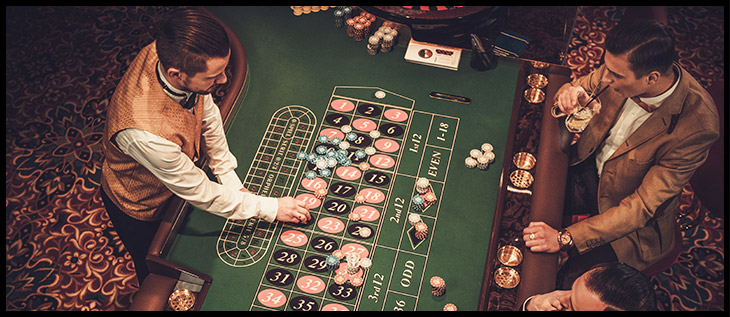
This thrill can sometimes overshadow the rational decision-making process, pushing individuals to chase the next big win. The anticipation of a potential reward can create a cycle of behavior that keeps gamblers returning to casinos or online platforms, driven by the hope of turning their luck around.
Impulse Control and Decision Making
The capacity for impulse control plays a significant role in gambling behavior. For many, the desire to gamble can stem from a momentary urge that overrides logical reasoning. Situational factors, such as stress, social pressure, or even the environment of a casino, can exacerbate these impulses, leading individuals to gamble when they normally might not. Understanding how impulses function can shed light on why some people engage in gambling despite knowing the odds are against them.
Cognitive biases, such as the illusion of control and the gambler’s fallacy, can further complicate decision-making. These biases can lead individuals to misinterpret the probabilities, fueling their desire to keep betting despite repeated losses.
The Role of Social Interaction
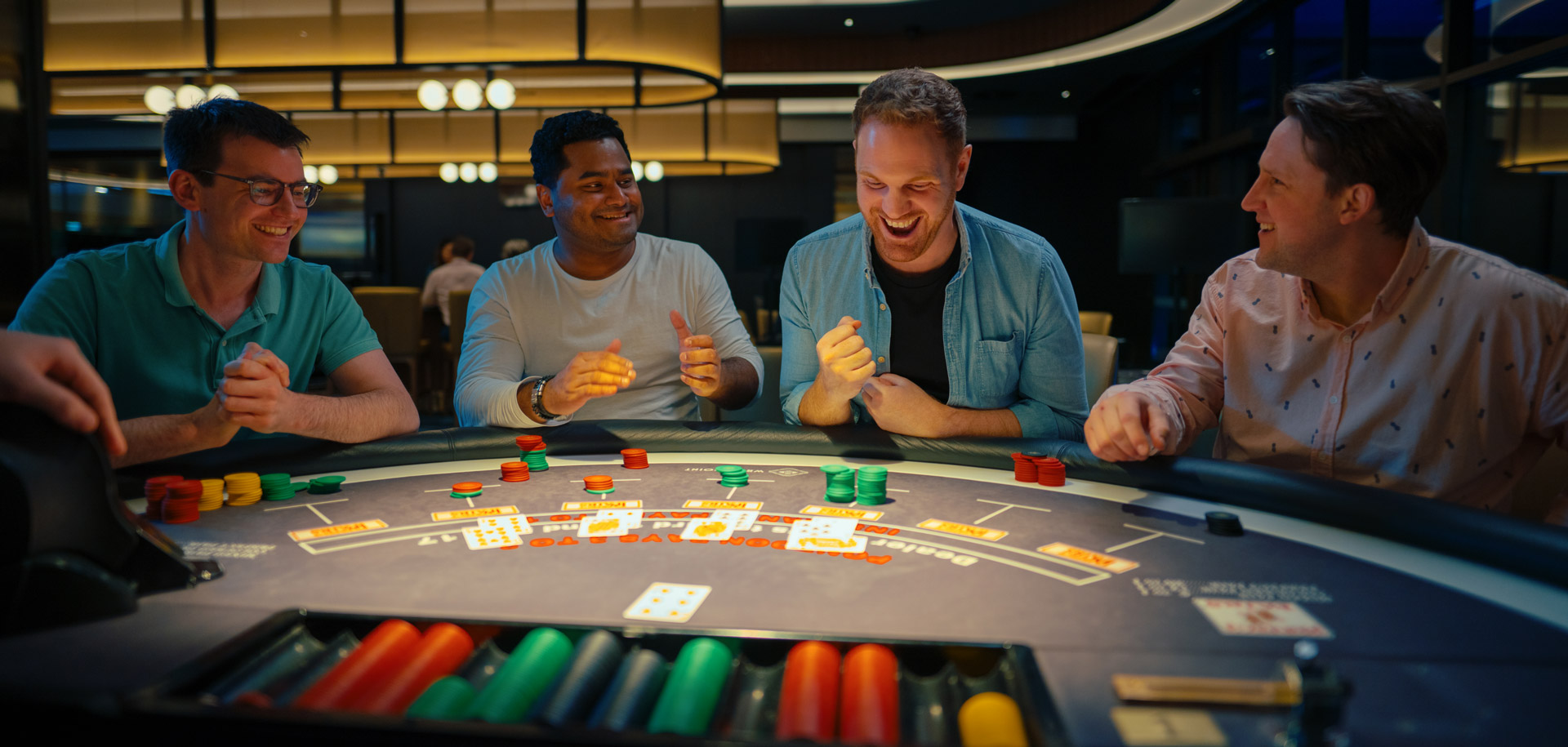
Gambling is often a communal activity, which taps into our fundamental need for social connection. Many people enjoy the camaraderie that comes from sharing the experience with friends or fellow gamblers. This social aspect can amplify the enjoyment of gambling, making it feel less like a solitary pursuit and more like a shared adventure.
Additionally, social interactions can influence gambling behavior through peer pressure or the shared excitement of winning. The sense of belonging that arises from being part of a gambling community can encourage individuals to engage more frequently, sometimes leading to larger bets and higher stakes than they would undertake alone.
Emotional Escapism and Coping Mechanisms
For some, gambling serves as an emotional escape from the stresses and challenges of daily life. The act of placing a bet can provide a temporary respite from feelings of anxiety or depression, allowing individuals to immerse themselves in the thrill of the game. This emotional escapism can be particularly appealing during difficult times, as the adrenaline rush of gambling can momentarily distract from underlying issues.
However, relying on gambling as a coping mechanism can lead to a dangerous cycle. Over time, the temporary relief may give way to increased stress and anxiety when faced with losses, potentially resulting in problematic gambling behaviors. Understanding the emotional triggers that lead individuals to gamble can help in addressing and managing such behaviors more effectively.
Understanding Gambling Behavior Through Research
Research into gambling behavior reveals critical insights into the psychological factors that motivate individuals to gamble. Studies highlight the complex interplay between cognitive biases, emotional triggers, and social influences. By understanding these factors, we can better comprehend the challenges associated with gambling addiction and the need for support and intervention.
Websites dedicated to gambling awareness and responsible gaming can provide essential resources for those struggling with their gambling habits. They often offer tools for self-assessment, information on the risks associated with gambling, and strategies for making informed decisions, ensuring that individuals can approach gambling in a healthy and balanced manner.